OpenEye Scientific is now part of Cadence
Products
OpenEye Products
Product Area
Target Exploration
Hit Identification
Lead Optimization
Product
Small Molecule Discovery Suite
ROCS X
Target X
FE-NES
PLATFORM
Orion Molecular Design Platform
Curated Databases
Cadence OnCloud
Applications & Toolkits
Solutions
OpenEye Solutions
Science | Speed | Scale
Solutions
Virtual Screening
Target Exploration
Hit Identification
Lead Optimization
Ligand-Based Design
Structure-Based Design
Properties Calculations
Biomolecular Modeling
Protein and Data Preparation
Quantum Chemistry
Artificial Intelligence
Pocket Detection
Resources
OpenEye Resources
Find out more about our resources
Resources
Events
News
Documentation
Webinars
Science Briefs
Publications
Download
Support
Academic Licensing
Software Integration Partners
About
About OpenEye
Find out more about OpenEye
About
Why OpenEye
Team
Scientific Advisory Board
Careers
Login
Let's Connect
Let's Connect
BACK
Products
OpenEye Products
Product Area
Target Exploration
Hit Identification
Lead Optimization
Product
Small Molecule Discovery Suite
ROCS X
Target X
FE-NES
PLATFORM
Orion Molecular Design Platform
Curated Databases
Cadence OnCloud
Applications & Toolkits
Solutions
OpenEye Solutions
Science | Speed | Scale
Solutions
Virtual Screening
Target Exploration
Hit Identification
Lead Optimization
Ligand-Based Design
Structure-Based Design
Properties Calculations
Biomolecular Modeling
Protein and Data Preparation
Quantum Chemistry
Artificial Intelligence
Pocket Detection
Resources
OpenEye Resources
Find out more about our resources
Resources
Events
News
Documentation
Webinars
Science Briefs
Publications
Download
Support
Academic Licensing
Software Integration Partners
About
About OpenEye
Find out more about OpenEye
About
Why OpenEye
Team
Scientific Advisory Board
Careers
Login
News
Subscribe to our blog
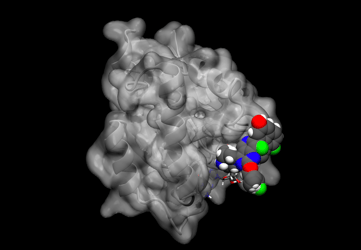
Cadence Tool Reveals Druggable Sites with Over 90% Accuracy
Cadence Molecular Sciences (OpenEye) announces the submission of two papers validating its first-in-class protein pocket detection and ligandability model, Target X Pocket …
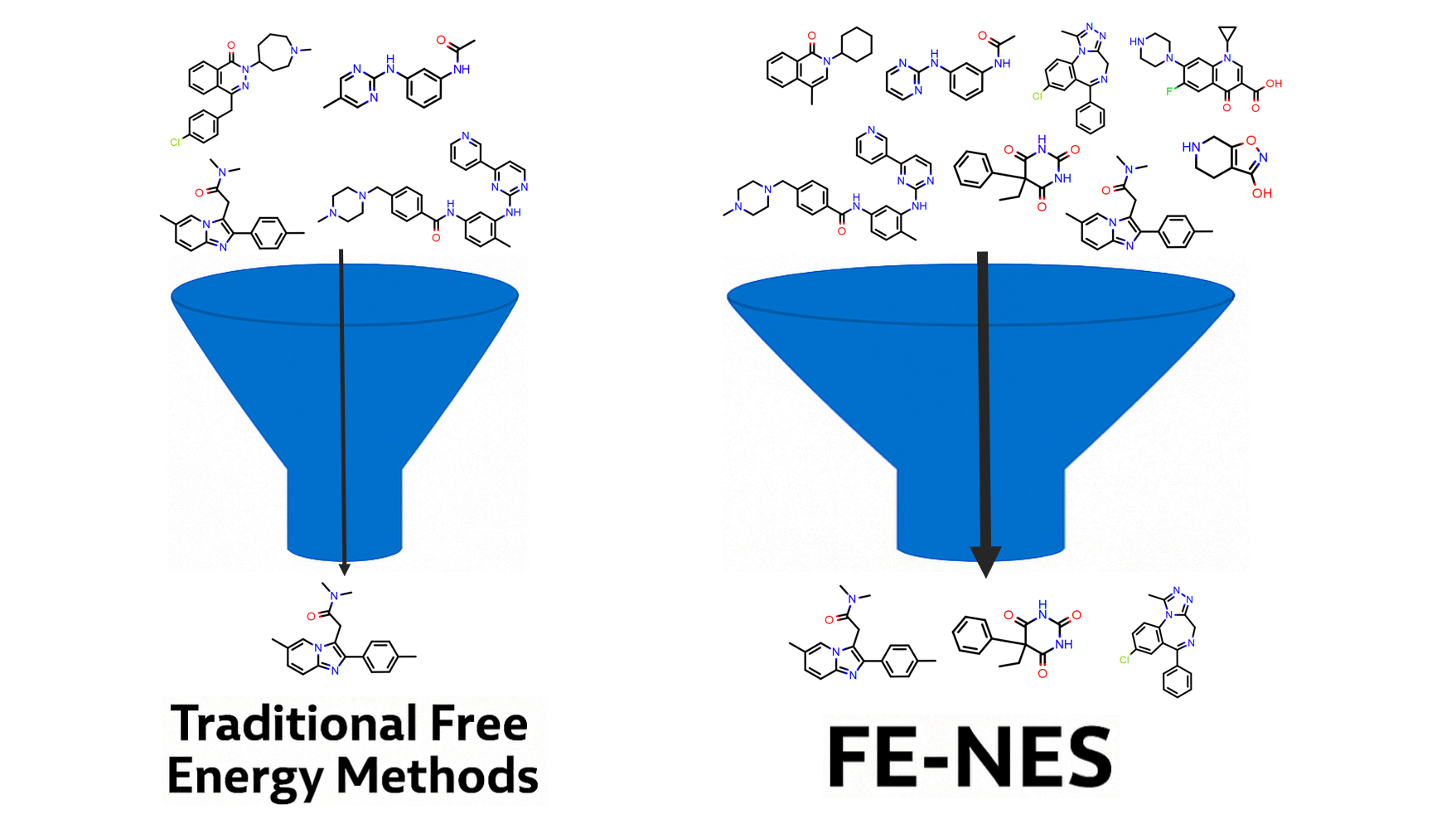
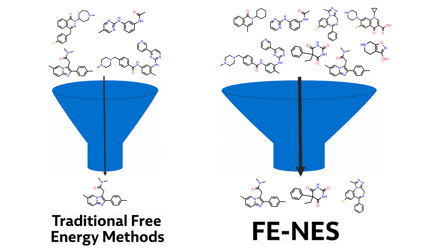
10X Faster Free Energy Calculations with FE-NES
Cadence Molecular Sciences (OpenEye) offers ligand–protein binding affinity prediction using Free Energy Non-Equilibrium Switching (FE-NES). FE-NES is 5-10X higher throughput …
Browse by topic
"
ACS
business
Event
JCUP
Lead Discovery
News
OpenEye
Orion
Python
Release
All
News
Event
Release
ACS
business
Event
JCUP
Lead Discovery
News
OpenEye
Orion
Python
Release
Announcing Release of 2026.2 Orion Small Molecule Discovery Suite
Read Post
Announcing Release of 2026.1 Applications and Toolkits
Read Post
Cadence Tool Reveals Druggable Sites with Over 90% Accuracy
Read Post
10X Faster Free Energy Calculations with FE-NES
Read Post
ROCS X: AI-Enabled Molecular Search Unlocks Trillions
Read Post
Video: Conversations at CUP with Geoff Skillman and Jeff Blaney
Read Post
Video: Conversations at CUP with David LeBard and Ken Dill
Read Post
Cadence Recycles 1000 lbs of E-Waste in New Mexico
Read Post
Stop and Smell the Flowers at BisBEE!
Read Post