Trusted Science. Delivered the Way You Need.
Ligand-Based Design
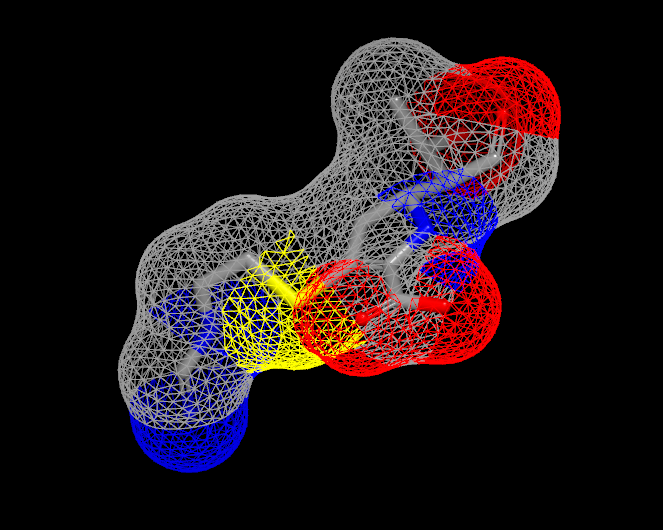
Identify and refine promising candidates with powerful ligand-based shape and electrostatic methods that researchers have trusted for more than 20 years. OpenEye delivers easy-to-use tools with remarkable speed.
Trusted Science.
2D Ligand-Based Methods
- Property Calculation and Filter (FILTER)
- Estimate pKa Value and Protonation (pKa Prospector)
- Tautomer / Protomer Enumeration & Charge Assignment (QUAPAC)
3D Ligand-Based Methods
- Rapid and Accurate Conformer Generation (OMEGA)
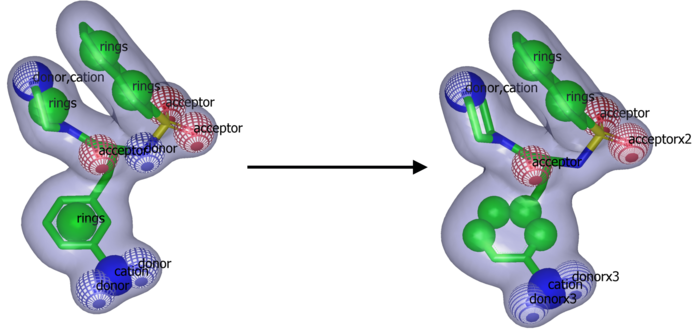
- Shape and Chemical Features Similarity Search (ROCS®, FastROCS™, FastROCS Plus)
- Extreme Scale 3D Shape Similarity Searching in Synthon Space (ROCS XTM)
- Fragment Replacement for Molecular Design (BROOD)
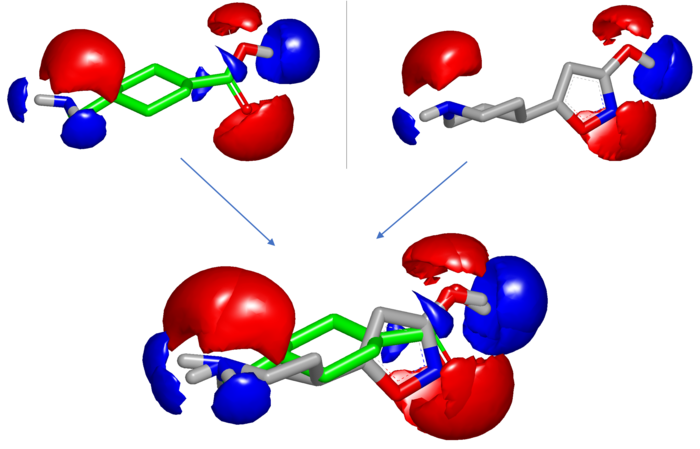
- Electrostatic Similarity for Lead-hopping (EON)
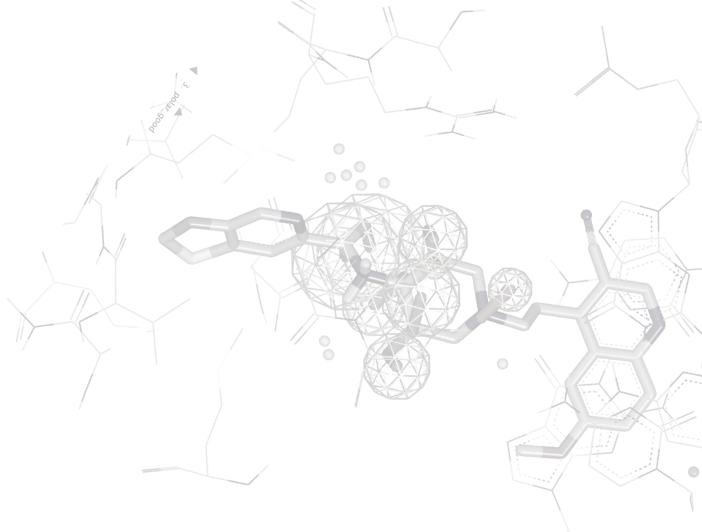
- 3D Quantitative Structure–Activity Relationship (3D-QSAR)
Delivered the Way You Need.
ROCS X: AI-Enabled Molecular Search Unlocks Trillions
Webinar: Modular Molecular Modeling
Webinar: OpenEye's Free energy prediction for drug discovery: Ideas at breakfast, discoveries by lunch
CUP XXV - Santa Fe March 10-12, 2026
Cadence Tool Reveals Druggable Sites with Over 90% Accuracy
Webinar: Modular Molecular Modeling
Webinar: OpenEye's Free energy prediction for drug discovery: Ideas at breakfast, discoveries by lunch
CUP XXV - Santa Fe March 10-12, 2026
Cadence Tool Reveals Druggable Sites with Over 90% Accuracy
Resources
Glimpse the Future through News, Events, Webinars and more
News
ROCS X: AI-Enabled Molecular Search Unlocks Trillions
BOSTON, OpenEye miniCUP—Sept. 25, 2025—Cadence Molecular Sciences (OpenEye), a business unit of Cadence (Nasdaq: CDNS), announced today at miniCUP Boston, the launch of ROCS X, an AI-enabled virtual screening solution that allows scientists to conduct 3D searches of trillions of drug-like molecules.
Read now
Webinar
Webinar: Modular Molecular Modeling
Webinar: Modular Molecular Modeling About this session: This webinar will provide an overview of our software libraries or toolkits, with an emphasis on how they can be used to efficiently develop customized, integrated solutions to complex problems in modern drug discovery. We will highlight several examples of the impact our toolkits have in solving a wide variety of problems for our users, including work from PubChem, Pfizer, and AstraZeneca. We will also illustrate the central place that they play in developing our own solutions.
Read now